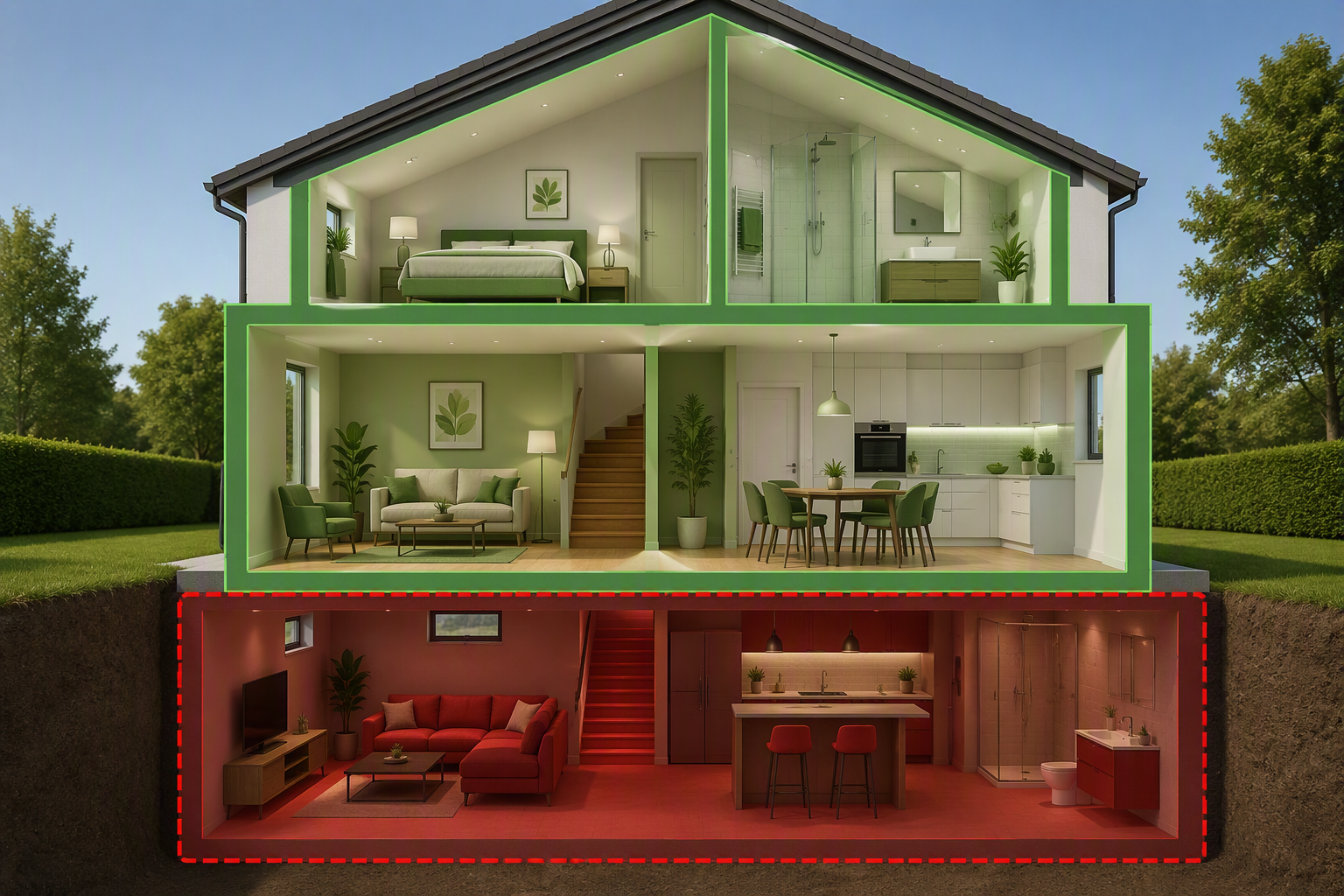
A basement converted into a games room, a bedroom created in the attic or a refurbished annex can make a house much more enjoyable and practical. However, when the property is valued or sold, owners sometimes discover that these areas are not treated in the same way as an officially recognised living room or bedroom.
In Luxembourg, an attractively renovated area is not automatically recognised as habitable space. Ceiling height, natural light, ventilation, sanitary conditions, the authorised use of the room and the applicable municipal building regulations may all need to be considered.
Before investing in building work, buying a house with converted areas or putting a property on the market, it is therefore important to understand why not all square metres are equal.
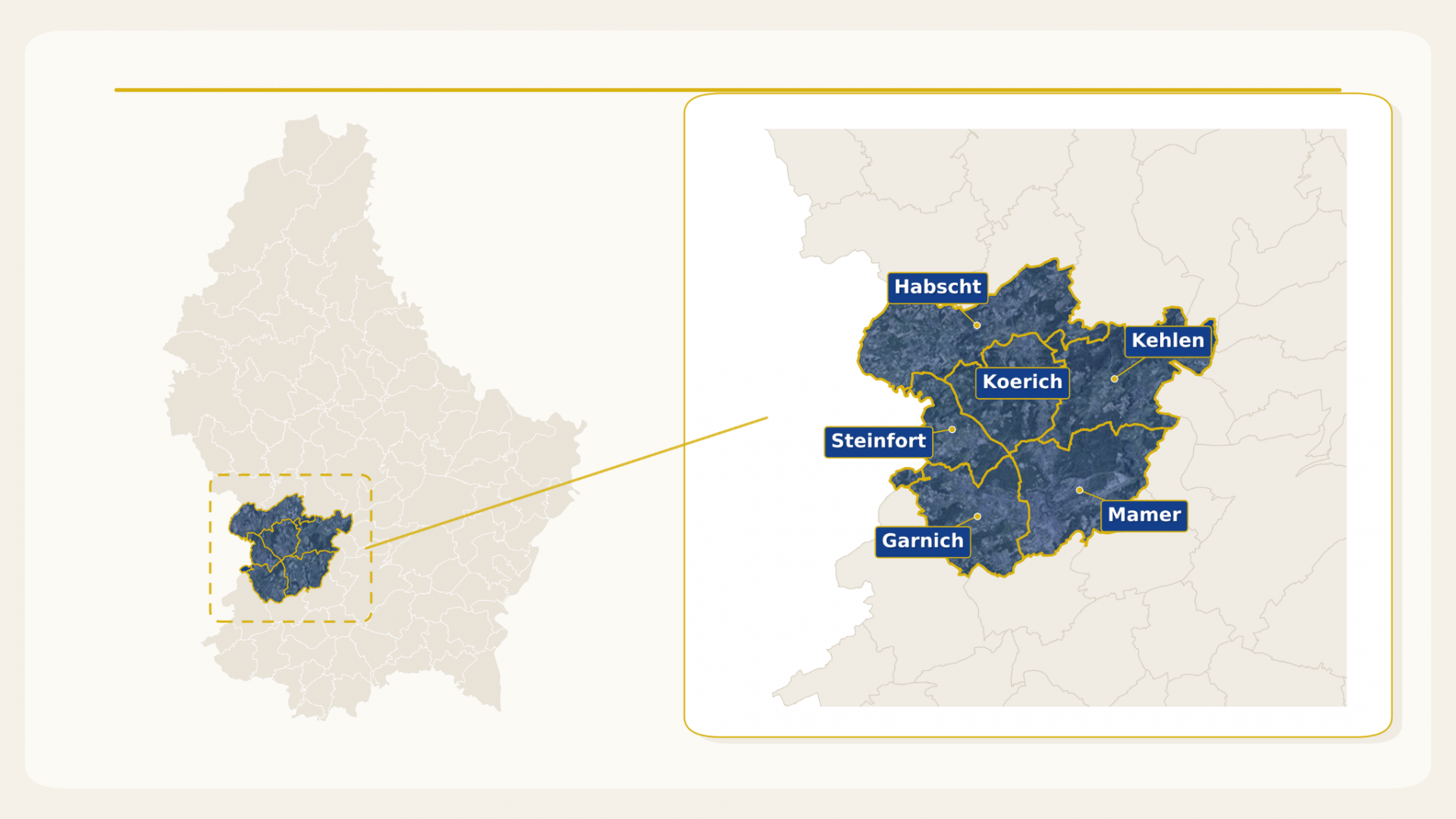
The real estate market in Western Luxembourg cannot be analysed as a single, uniform market. From municipalities close to the Belgian border and localities with convenient connections to Luxembourg City to residential areas sought after for their quality of life, every property belongs to a particular environment.

During a separation or divorce, the jointly owned home can quickly become one of the most important issues to resolve. Should the property be sold, should one partner take full ownership, or should both parties remain temporary co-owners? Behind this decision lie financial, banking, practical and emotional considerations.
There is no single solution that suits every couple. The right decision depends on the title deed, the outstanding mortgage, each person’s financial capacity, the property’s current market value and the level of cooperation between the owners. This guide examines the main options in Luxembourg and suggests a practical method for moving forward without allowing a property issue to make an already difficult personal situation even more complex.

When homeowners set an asking price, they naturally focus on location, floor area, condition, renovations and comparable sales. Yet another question is just as important: how many buyers can actually afford to finance that price?
A property may be attractive, well maintained and professionally presented. However, if its price limits the potential audience to a very small group of households, the pool of solvent buyers decreases significantly.
Valuing a property therefore also means identifying the likely buyers, their borrowing capacity, the funds they can contribute and the criteria applied by banks. The optimal price sits at the intersection between property value and market affordability.
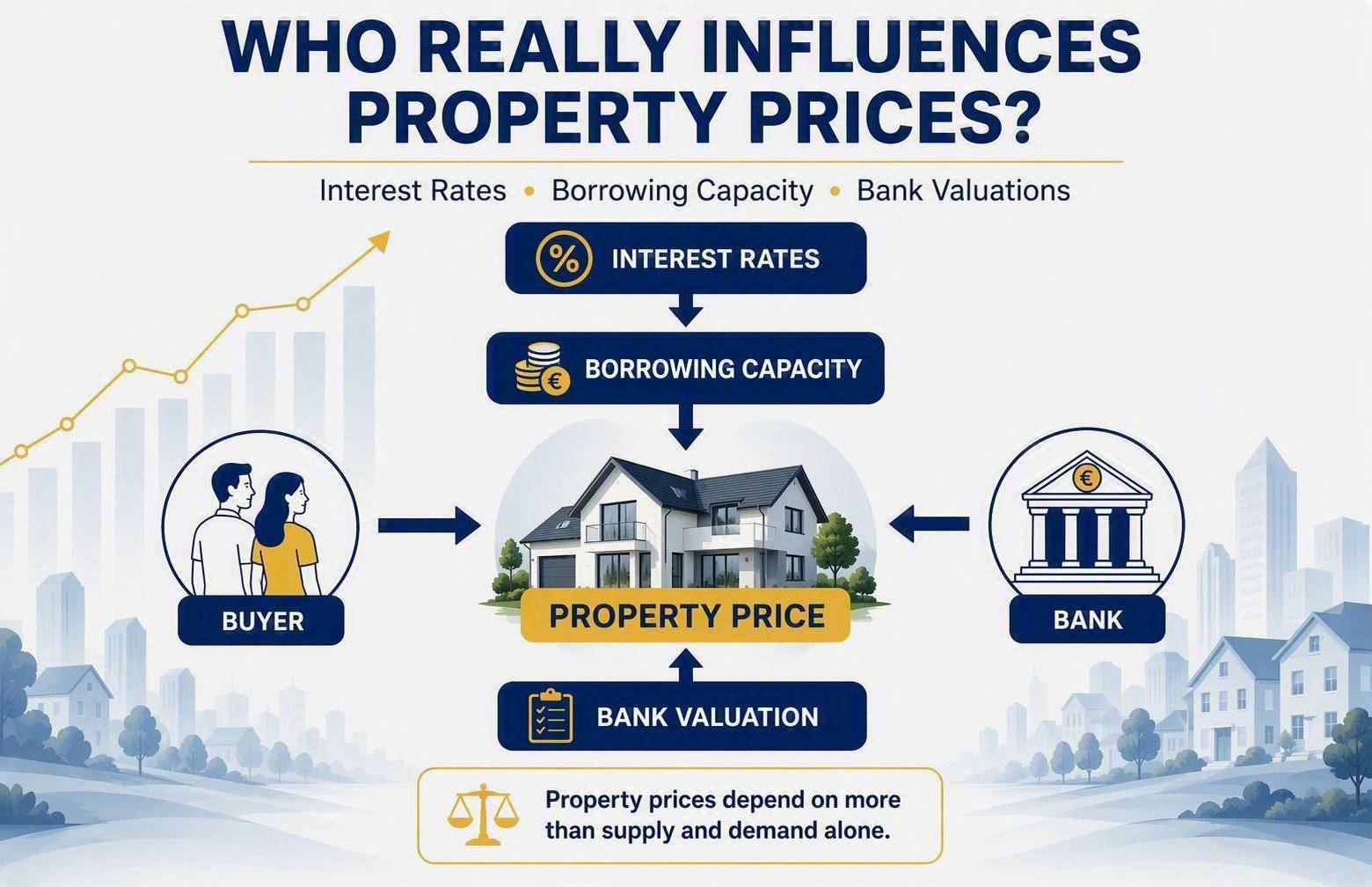
In Luxembourg, the price of a home does not depend solely on its location, condition or the seller’s expectations. Interest rates directly affect household borrowing capacity, while the bank’s assessment of the application and its valuation of the property offered as collateral may determine whether the purchase can be financed.
When interest rates rise, the same monthly repayment supports a smaller loan. When rates fall, borrowing capacity may improve, without necessarily returning immediately to the particularly favourable lending conditions seen before the increase in rates.
The property market therefore reflects a balance between the asking price, the amount accepted by the buyer, the buyer’s ability to repay and the value taken into account by the lender. Understanding these mechanisms helps sellers position their property more accurately and enables buyers to secure their purchase more effectively.
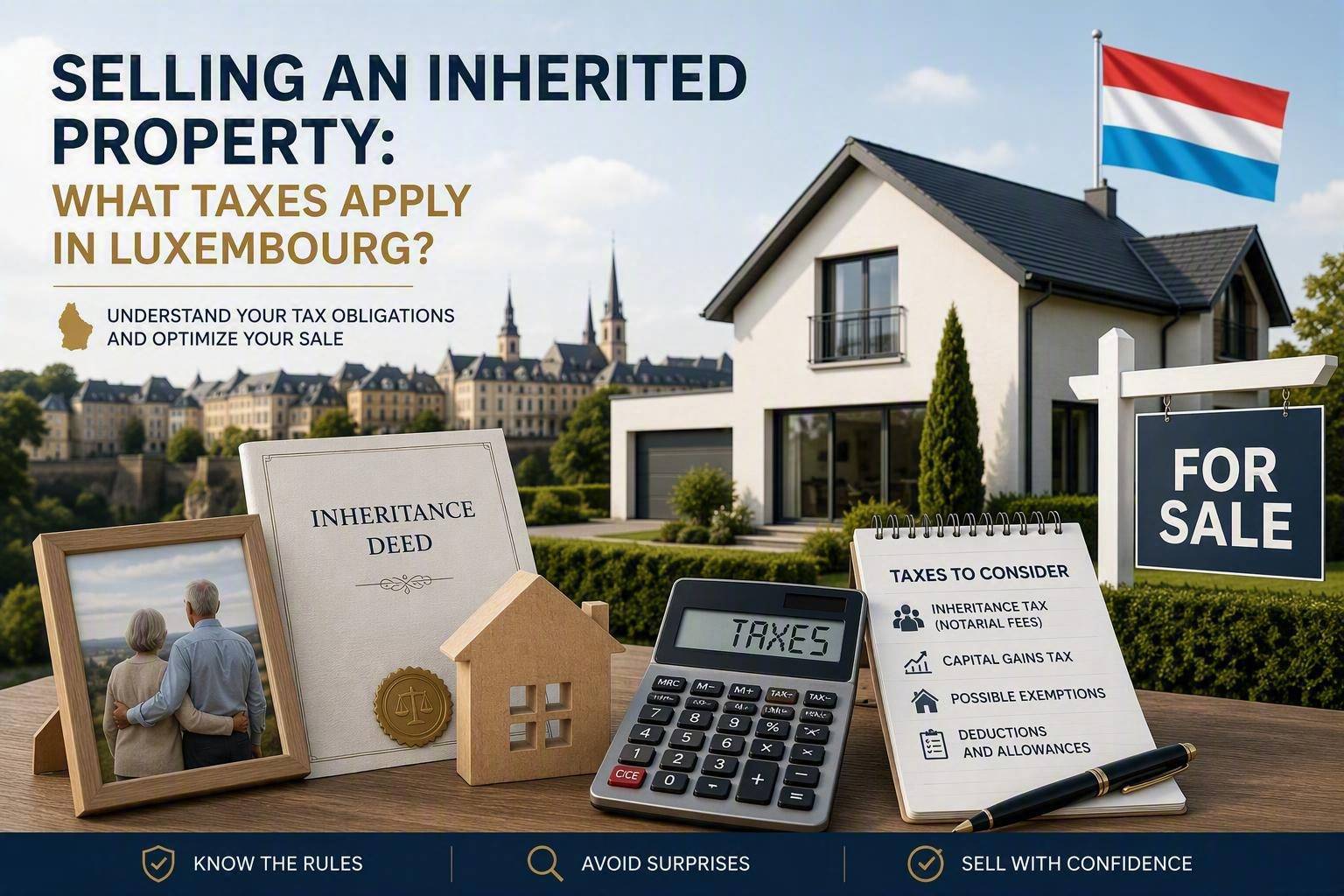
Have you inherited a house, an apartment or a plot of land in Luxembourg and are you considering selling it? One question often comes up very quickly: will you have to pay tax when the property is sold?
The answer mainly depends on when the property was originally acquired, what work has been carried out over the years and which tax allowances may apply to your situation. To make the topic easier to understand, this article explains the calculation through a concrete numerical example.
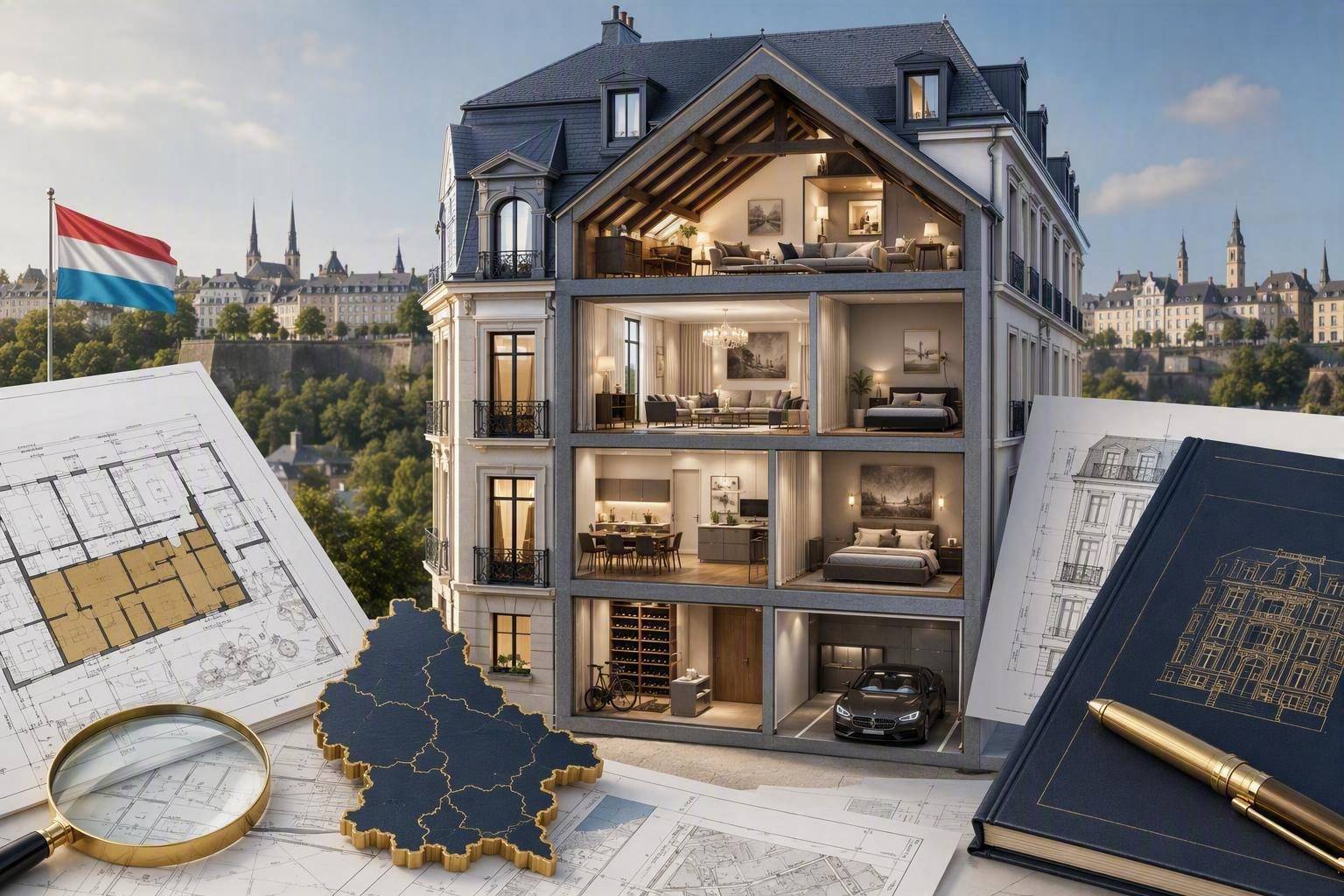
You have found the ideal apartment. The advertised floor area meets your needs, the rooms are well fitted out and everything appears to be in order. However, what is visible does not always match the situation recorded in the official co-ownership documents.
Insufficient document checks can turn what appeared to be a 162 m² duplex into an 88 m² apartment with an attic. That difference can have significant consequences when buying, financing or reselling the property.

Selling a property is an important decision. Choosing an agent should therefore not depend solely on the commission, the prominence of an agency’s brand or the highest proposed valuation.
A competent professional should be able to analyse the property, justify its market positioning, organise its marketing, comply with regulatory obligations and support the people involved through what can sometimes be a sensitive stage of life.
Here are ten practical questions to ask before signing an estate agency agreement with a real estate agent in Luxembourg.

When buying or selling property in Luxembourg, the energy performance certificate is one of the most frequently consulted documents. Yet many owners and buyers focus only on the three ratings without fully understanding the information contained in the certificate.
The energy performance certificate goes much further. It provides information about the building, its energy requirements, its technical systems and, importantly, its potential for improvement. When interpreted correctly, it can help clarify a property’s value and the investments that may need to be considered in the future.
This article reviews the main information shown on each page of a Luxembourg energy performance certificate and explains its practical relevance for buyers and sellers.

A property's size has a direct impact on its value, but not all square metres are equal. Living area, usable area and total area are often confused, even though they are calculated differently. In Luxembourg, living area is defined by an ILNAS standard. Here's what you need to know before buying, selling or valuing a property.
This site is protected by reCAPTCHA and the Google Privacy Policy and Terms of Service apply.
